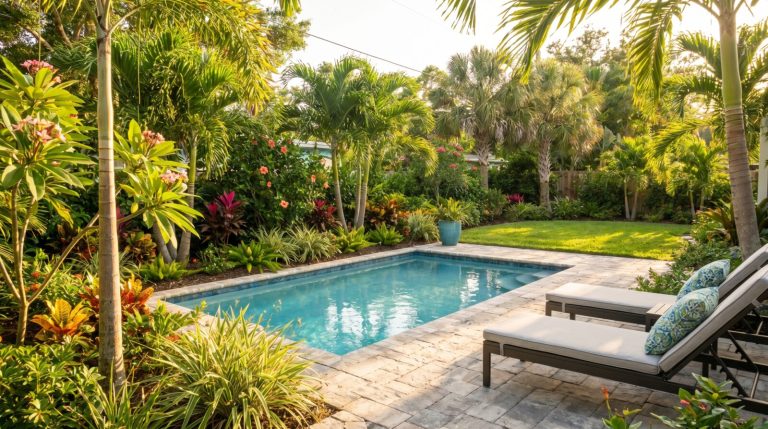
Plunge Pools Near Me: What St. Petersburg Homeowners Need to Know Before Building
St. Petersburg, FL properties present a specific set of conditions that make plunge pools not just a popular choice, but often the most practical one. Lots in neighborhoods like Kenwood, Shore Acres, and Old Northeast tend to run smaller than what you’d find inland, and the city’s high water table, combined with its sandy, low-cohesion soil, changes how any pool gets engineered and installed. When homeowners in this area search for plunge pools near me, they’re usually responding to a real constraint: limited yard space, a tight budget relative to a full-size pool, or a specific goal like cold therapy, hydrotherapy, or a compact water feature that fits a landscaped outdoor living area. Whatever the reason, the process of building one here is shaped by local conditions from the first site visit to the final inspection.
What a Plunge Pool Actually Is and What It’s Built For
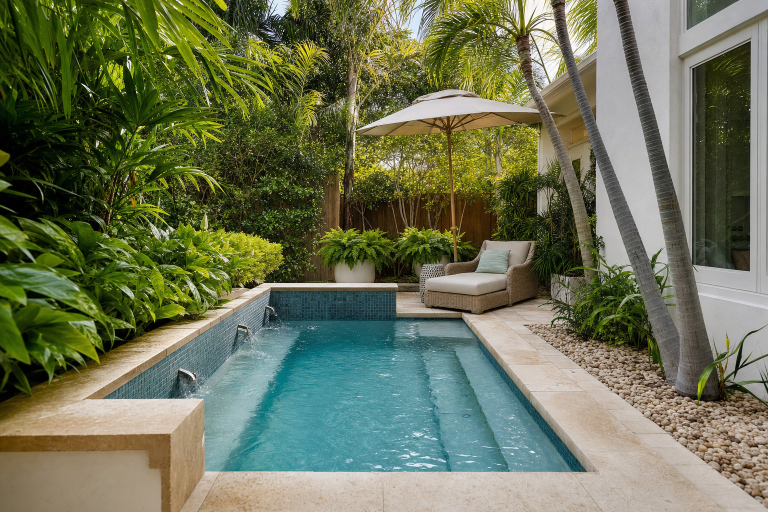
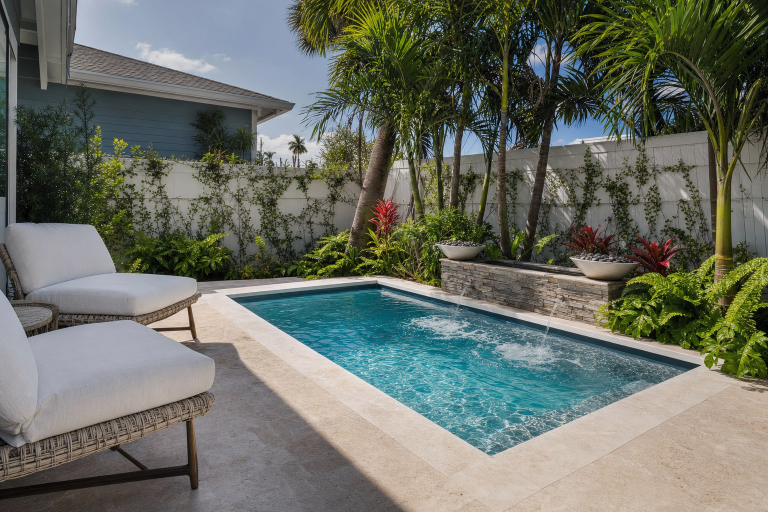
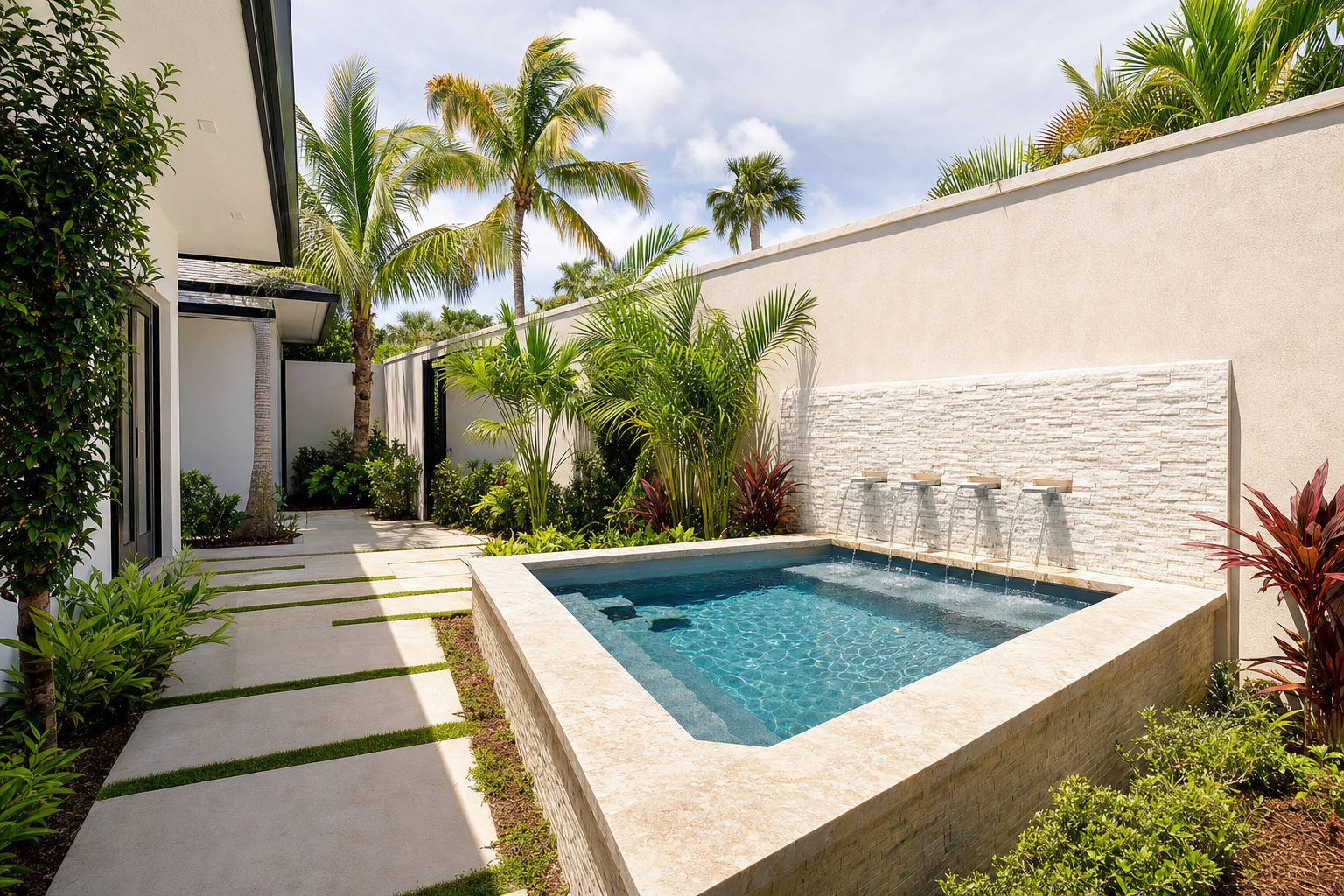
A plunge pool is a small, deep pool, typically between six and twelve feet in length and four to six feet in depth, designed for immersion rather than lap swimming or recreational use. The depth-to-surface ratio is what distinguishes it from a small recreational pool. That depth is what makes it effective for cooling off quickly in Florida’s summer heat, for cold therapy recovery, or for hydrotherapy with added jets. Some clients add heating and chilling systems so the pool can serve both functions depending on the season or their recovery goals.
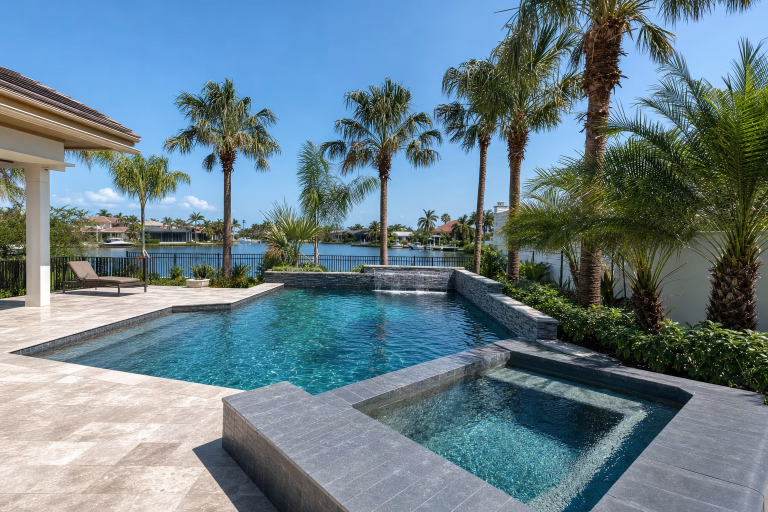
Because of their compact footprint, plunge pools are also well-suited for courtyard installations, narrow side yards, and rooftop or elevated deck applications, though those come with their own structural requirements. Most of what we build in St. Petersburg are in-ground concrete plunge pools, which gives us full control over shape, depth, and finish. Fiberglass shell options exist, but the size limitations and inability to customize depth make them a less common fit for clients who have specific performance goals in mind. You can read more about how we approach the design side of these projects on our pool design page.
Why Searching for Plunge Pools Near Me Matters More Than You Think
Not every pool builder has experience with the specific engineering that small, deep pools require in Pinellas County. The high water table throughout much of St. Petersburg means that hydrostatic pressure is a real concern during and after construction. If a pool shell isn’t properly designed to resist that upward pressure, particularly during periods when the pool is drained for maintenance or repairs, you risk structural damage. This is one of the reasons we include hydrostatic relief valves as a standard part of our plunge pool builds here, not an add-on.
The sandy soil composition in this area also affects excavation. Sand doesn’t hold its shape the way clay-heavy soil does, so the excavation window between digging and forming the shell needs to be managed carefully. Our crews are familiar with how quickly conditions can shift, especially during June when afternoon storms are a daily reality. Timing the excavation and shotcrete phases around weather is something we factor into every project schedule. If you’re curious how this compares to what we’ve seen in other parts of the region, our post on spa and hot tub installation in St. Petersburg covers the same soil and climate dynamics in detail.
The Build Process: From Permit to First Swim
The timeline for a plunge pool in St. Petersburg runs roughly eight to fourteen weeks from permit approval to completion, depending on scope, finish selections, and any equipment customization. Here’s how that breaks down in practice.
We start with a site evaluation and design consultation. For plunge pools, the design phase is shorter than a full custom pool project, but it still matters. We’re confirming setback requirements, reviewing the utility map, evaluating drainage, and discussing how the pool will integrate with your existing outdoor space. Once the design is finalized, we submit for permits through the City of St. Petersburg or Pinellas County, depending on the property location.
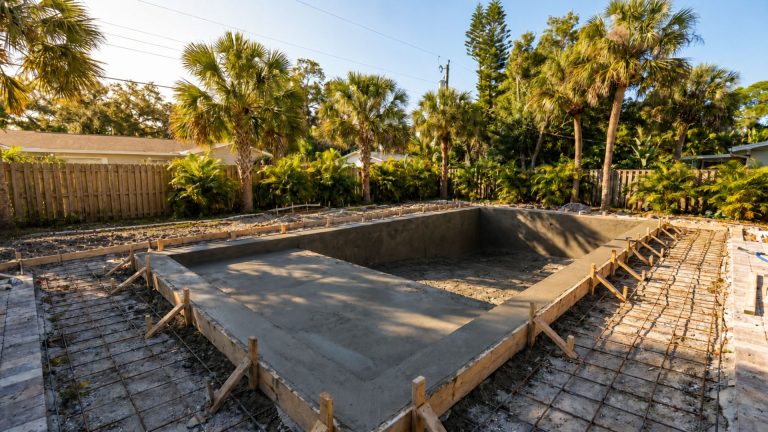
After permit approval, excavation typically takes one to two days for a standard plunge pool footprint. Steel reinforcement is set next, followed by shotcrete application, which is the structural shell. That shell needs to cure before plumbing, electrical, and equipment installation begins. Equipment for a plunge pool often includes a variable-speed pump, filtration system, and, if the client wants temperature control, a heater or chiller unit. Finishing work, including tile, coping, and interior surface application, comes last before the pool is filled and balanced. Homeowners who have already started researching plunge pools near me will find a more detailed breakdown of the full construction sequence in our step-by-step pool construction guide.
How to Know If a Plunge Pool Is the Right Fit for Your Property
The most common situation we see is a homeowner who wants a pool but doesn’t have the yard space for a standard installation, or doesn’t want to give up the majority of their outdoor area to water. If your usable backyard is under 500 square feet, a plunge pool is often the only in-ground option that leaves room for anything else. It’s also a strong choice for clients who are primarily interested in the therapeutic or cooling function of a pool rather than recreation.
Budget is another factor. A plunge pool costs significantly less than a full-size custom pool, though the per-square-foot cost is higher because the depth and engineering requirements don’t scale down proportionally. If you’re weighing options, our post on inground pool costs in the Tampa Bay area gives useful context for understanding where plunge pools fall in the overall pricing range.
We also work with clients in Clearwater and Tampa who find themselves in the same position. The search for plunge pools near me often starts with a space constraint and ends with a build that fits the property better than a larger pool ever would have. If you want to talk through what’s realistic for your specific yard, reach out to our team and we’ll start with a site evaluation.
June is the peak of Florida’s rainy season, which means excavation scheduling is tighter than it would be in March or April. If you’re planning a plunge pool for this year, the sooner the design and permitting process begins, the better positioned you’ll be to get into the ground during a dry window before the summer storm pattern fully sets in.