Plunge Pools for Small Backyards in Tampa, FL
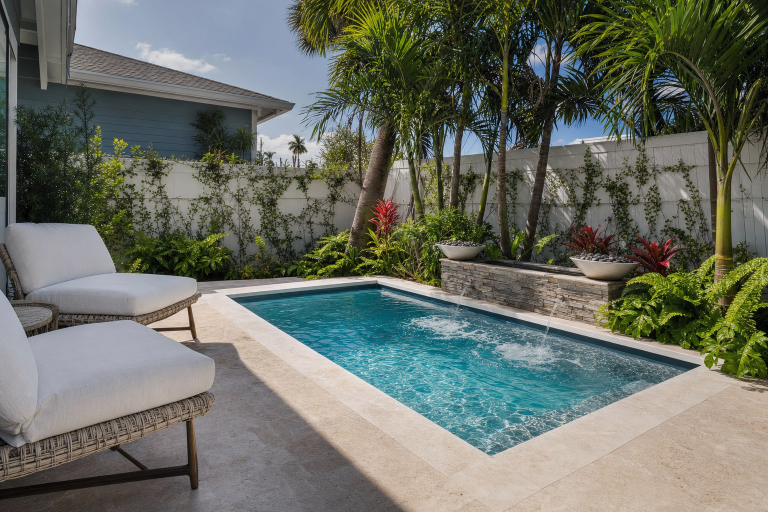
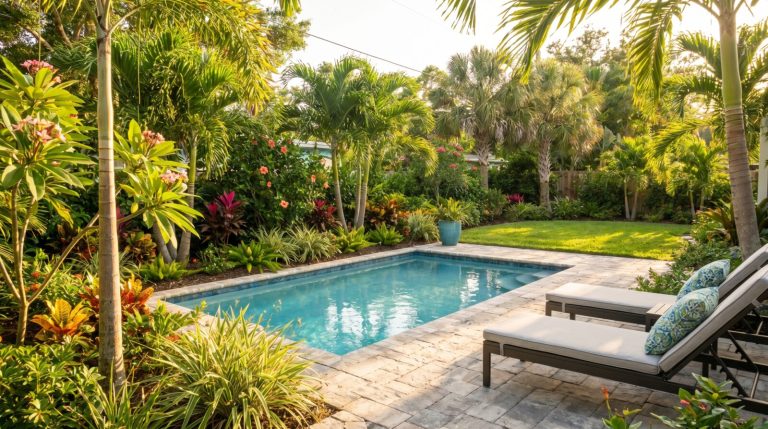
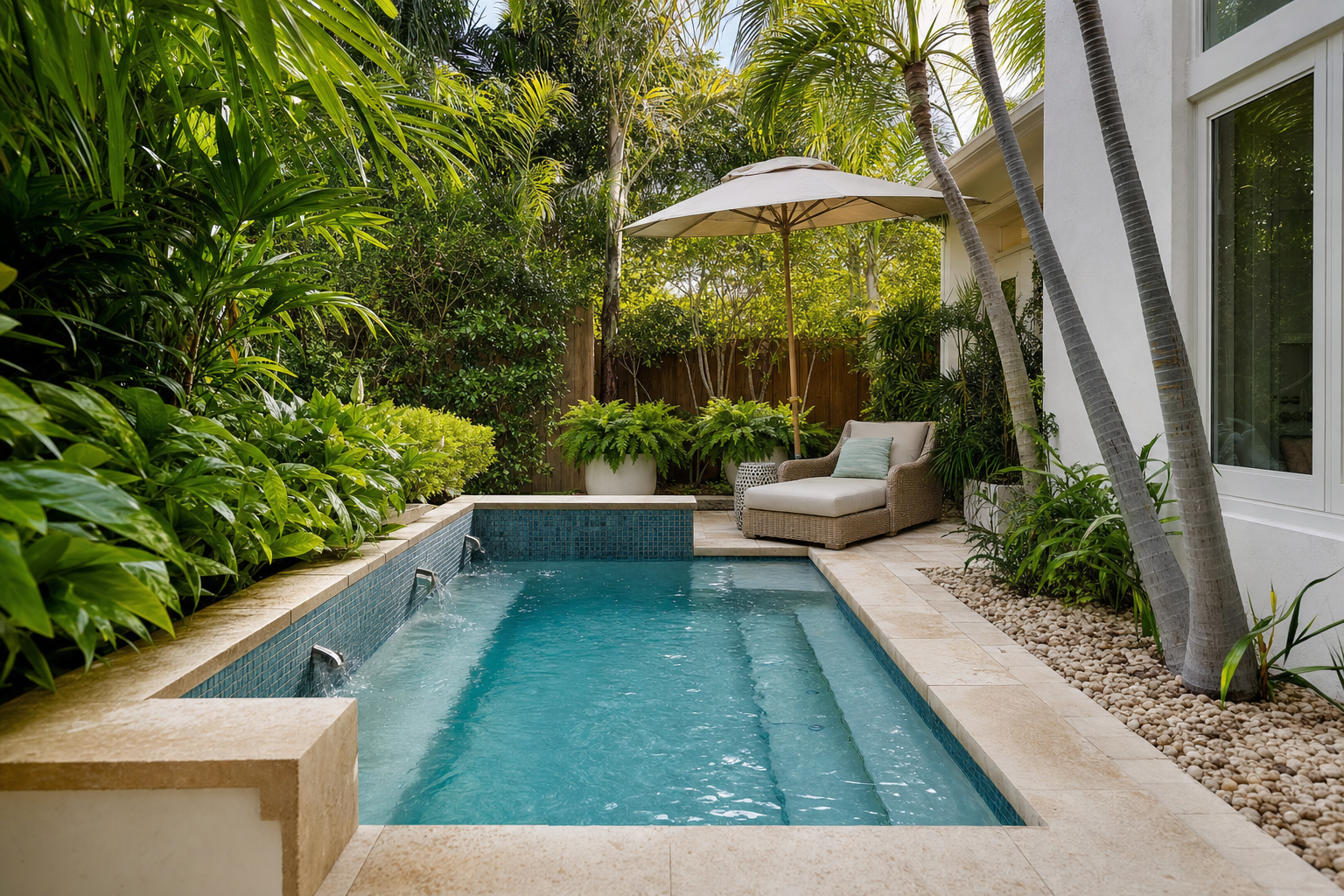
In Tampa, narrow lots and Florida heat can make a full-size pool impractical, but they do not rule out a comfortable place to cool off. That is why homeowners explore plunge pools for small backyards in Tampa, FL. Our team at From The Ground Up Pools plans each project around the available space, local requirements, and the way the family wants to use the backyard.
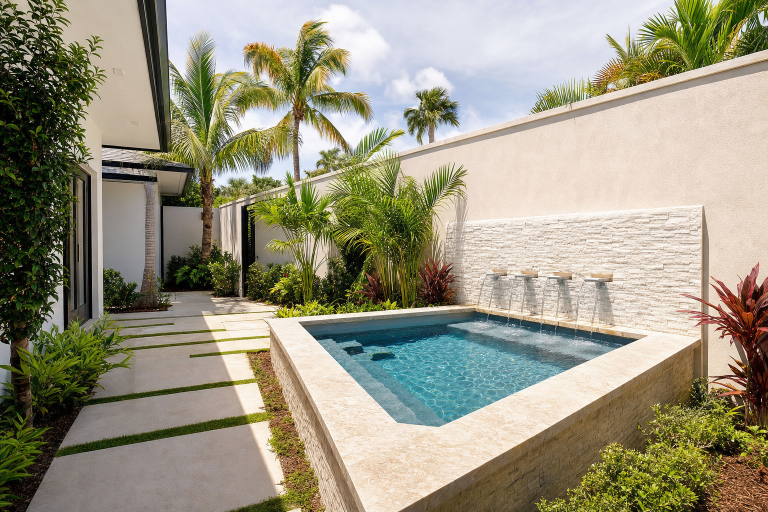
Plunge pools are purpose-built for compact lots throughout the Tampa Bay area. A properly designed plunge pool typically fits in a footprint of 6 to 12 feet wide and 10 to 20 feet long, requires less excavation than a standard pool, and can be installed in yards where a traditional pool would never fit. They deliver the cooling and hydrotherapy benefits of a full-size pool without demanding the square footage.
Key Takeaways
- Plunge pools typically fit in footprints as small as 6 by 10 feet, making them a practical option for the compact lots common throughout Tampa and Clearwater.
- Tampa Bay’s sandy soils and high water table conditions can affect excavation and structural decisions, which is why material selection matters before a single shovel hits the ground.
- A plunge pool project in this region generally moves from permit approval through finished installation in eight to fourteen weeks, depending on site conditions and material choice.
- Fiberglass and concrete are both viable materials for plunge pools for small backyards Tampa, FL, but each has tradeoffs tied directly to lot access, soil type, and long-term maintenance.
- Pairing a plunge pool with a spa or hot tub addition is a popular option for homeowners who want year-round use from a compact footprint.
What Goes Into a Plunge Pool Build on a Small Tampa Bay Lot
The process starts well before any equipment arrives on site. Our pool design phase for a small backyard is actually more detailed than what a large lot requires, because there’s less room for error. We’re mapping setback requirements from property lines and structures, accounting for underground utilities, checking HOA rules if they apply, and identifying where equipment like pumps and filtration will live without eating into usable yard space. In many of the neighborhoods we serve across Clearwater and Tampa, the equipment pad ends up tucked along a side fence or beneath a deck, which is a detail that has to be resolved in design, not during construction.
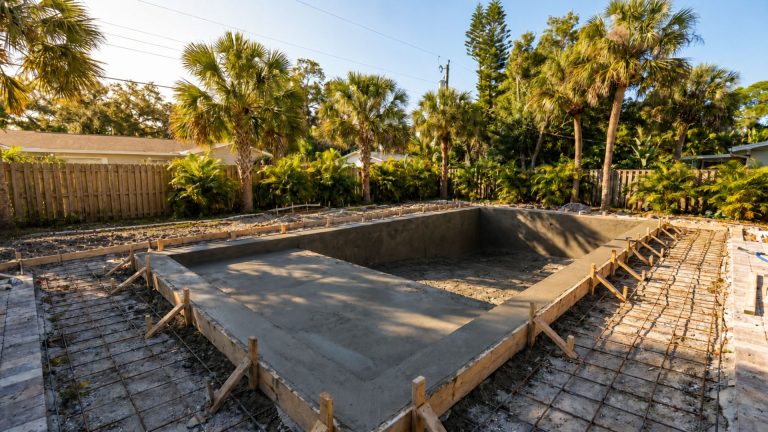
Once the design is locked and permits are pulled through the local municipality, excavation begins. On smaller lots, access for heavy equipment can be limited, and our team plans for that. Sometimes a mini excavator is the right tool. Sometimes hand digging is necessary near existing structures. Across Tampa Bay, sandy soils and groundwater conditions can require water management during the dig. That is not unique to plunge pools for small backyards in Tampa, FL, but it can affect the timeline and structural decisions.
For the pool shell itself, fiberglass and concrete are the two primary paths. Fiberglass shells arrive prefabricated and drop into the excavation faster, which is an advantage on small lots where minimizing the construction window matters. Concrete, built in place through a gunite or shotcrete process, allows for more shape flexibility and is often the better fit when a yard has an unusual footprint or the homeowner wants a fully custom profile. Both materials perform well in Florida’s climate. The choice usually comes down to lot access, desired shape, and long-term maintenance preferences, all of which we work through during the design consultation.
How Do Plunge Pools for Small Backyards Tampa, FL Handle Local Permitting and Setbacks?
This is one of the most common questions we get, and the honest answer is that it varies by municipality. Tampa, Clearwater, and the surrounding cities each have their own zoning codes, and setback requirements for pools differ from those for other structures. In general, pools in this region must maintain a minimum distance from property lines, the primary structure, and sometimes from easements. Plunge pools do not automatically get a pass on these rules just because they’re smaller. What they do offer is more flexibility in where they can physically fit within those setback boundaries, because the footprint is compact enough to thread into spaces a standard pool cannot.
Our team handles the permit application process as part of every pool installation, which includes submitting site plans, structural drawings, and any required engineering documentation. Permit timelines in Hillsborough and Pinellas counties have been running anywhere from two to six weeks depending on current municipal workloads, and that window is factored into the overall project schedule from the start. Homeowners who try to shortcut the permit process on small-backyard pools often run into problems at resale or during home insurance renewals, so this step is non-negotiable regardless of how simple the build looks.
What Does the Timeline Actually Look Like From Design to First Swim?
For most plunge pools for small backyards Tampa, FL, the realistic window from signed contract to completed pool runs eight to fourteen weeks. Design and permitting typically account for three to six of those weeks. Active construction, once permits are in hand, usually runs three to five weeks for a fiberglass install and four to seven weeks for a concrete build, depending on site complexity, weather, and finishing details.
August projects that start now are generally ready for use in October or November, which is actually an ideal outcome. The heat holds well into fall across the Tampa Bay region, and a plunge pool finished in late October still gets heavy use before the mild winter sets in. Homeowners who start planning now are also positioning themselves ahead of the spring rush, when permit offices and construction schedules fill up quickly.
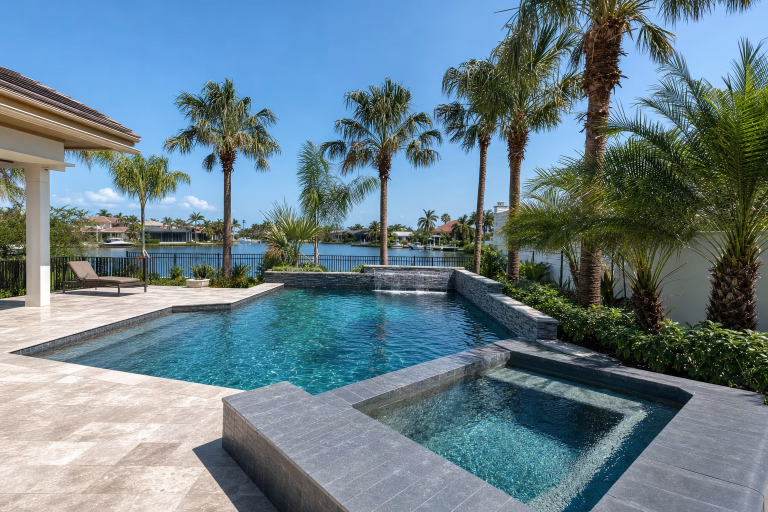
If you’re considering adding a spa or hydrotherapy jets to the plunge pool, that decision needs to happen in the design phase, not after the fact. Retrofitting those systems is significantly more involved than building them in from the start. For homeowners in Treasure Island and similar coastal communities, combining a plunge pool with a spa element is one of the most efficient ways to get maximum use from a small footprint.
Pricing depends heavily on the specific property, material selection, site access conditions, and finish details. A custom estimate based on your lot is the only accurate starting point, and you can request one through our contact page. Our financing options are also worth reviewing early in the process, since they affect how homeowners structure the scope of their project from the beginning.
Frequently Asked Questions
How small of a backyard can realistically fit a plunge pool in Tampa?
Most plunge pools require a footprint of at least 6 feet wide by 10 feet long, plus additional clearance for equipment and code-required setbacks from structures and property lines. We’ve installed plunge pools on lots in the Tampa Bay area with total backyard depths of 20 feet or less, but every site requires an individual assessment before we can confirm feasibility. The setback rules in your specific municipality are the primary constraint, not the pool size itself.
Does the sandy soil in Pinellas County cause problems for small plunge pool installations?
Sandy, water-saturated soil is the norm across most of Pinellas County, and it does affect how we approach excavation and structural engineering. Groundwater management during the dig is a routine part of our process here, not an exception. Fiberglass shells are particularly well-suited to this soil profile because they’re lightweight and flexible, but concrete builds are also engineered to account for these conditions. The soil type influences material recommendations but doesn’t prevent installation.
Can I add a spa or hydrotherapy jets to a plunge pool in a small backyard?
Yes, and it’s one of the most popular configurations we design for compact lots. Integrating jets or a connected spa requires planning the plumbing, equipment, and electrical load from the beginning of the design phase. Adding these features after a pool is already built is possible through a pool renovation, but it’s more disruptive and more costly than building them in from the start. If you’re considering this, bring it up in the first design conversation.
How long does the permit process take for a plunge pool in the Tampa area?
Permit timelines vary by municipality. In our experience working across Tampa, Clearwater, and the surrounding cities, permit approval currently runs two to six weeks from submission. We prepare and submit all permit documentation as part of the installation process, and we factor that window into the overall project schedule so there are no surprises. Starting the design and permitting process in August puts most projects on track for a fall completion.