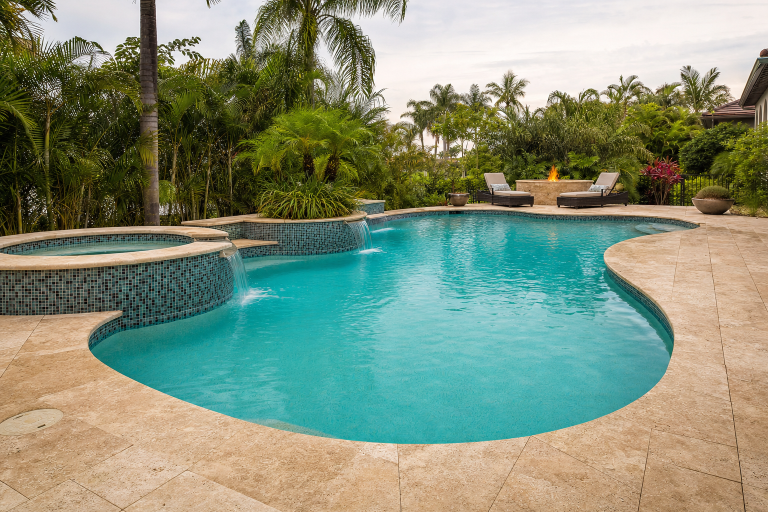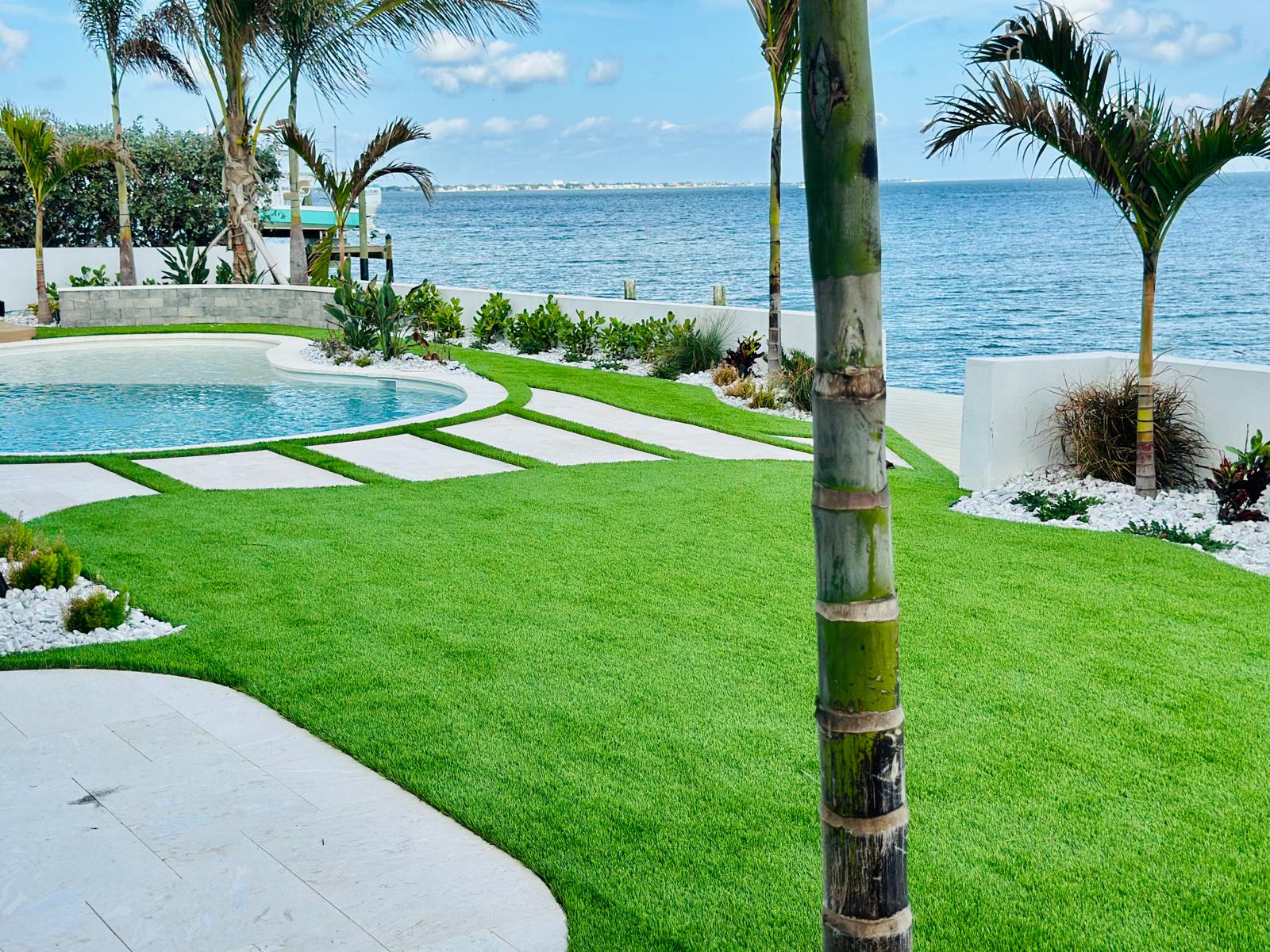
Best Plants for Pool Landscaping in Florida
Your new pool is taking shape beautifully, but the surrounding landscape still looks like a construction zone. Raw dirt, exposed equipment, and bare concrete don’t exactly create the resort-style retreat you envisioned. The plants you choose for your pool area will define whether your backyard feels like a polished oasis or an afterthought, and in Florida’s demanding climate, not every green thing belongs near water.
Finding the best plants for pool landscaping in Florida requires understanding more than just what looks attractive in a nursery. You’re balancing aesthetics with practical concerns like leaf litter, root aggression, salt tolerance, and maintenance demands. The right selections transform your pool surround into a cohesive outdoor living space. The wrong choices create ongoing headaches that undermine your investment.
Why Florida Pool Landscaping Requires a Different Approach
Florida’s USDA hardiness zones 9 through 10 present challenges that northern gardeners never face. Year-round growth means plants don’t go dormant, so anything that sheds leaves, flowers, or seed pods does it constantly rather than seasonally. Intense summer heat and humidity stress plants differently than dry desert climates.
If your pool uses a salt chlorination system, you’re adding another layer of complexity. Salt spray and splashing create conditions that burn sensitive foliage and limit your plant palette. Properties near the Gulf or Tampa Bay already deal with natural salt exposure, making tolerance even more critical for coastal pool installations.
Root systems matter significantly around pools. Aggressive roots from the wrong tree or large shrub can crack decking, lift pavers, damage underground plumbing, and compromise your pool shell’s structural integrity over time.
Top Performers for Florida Pool Areas
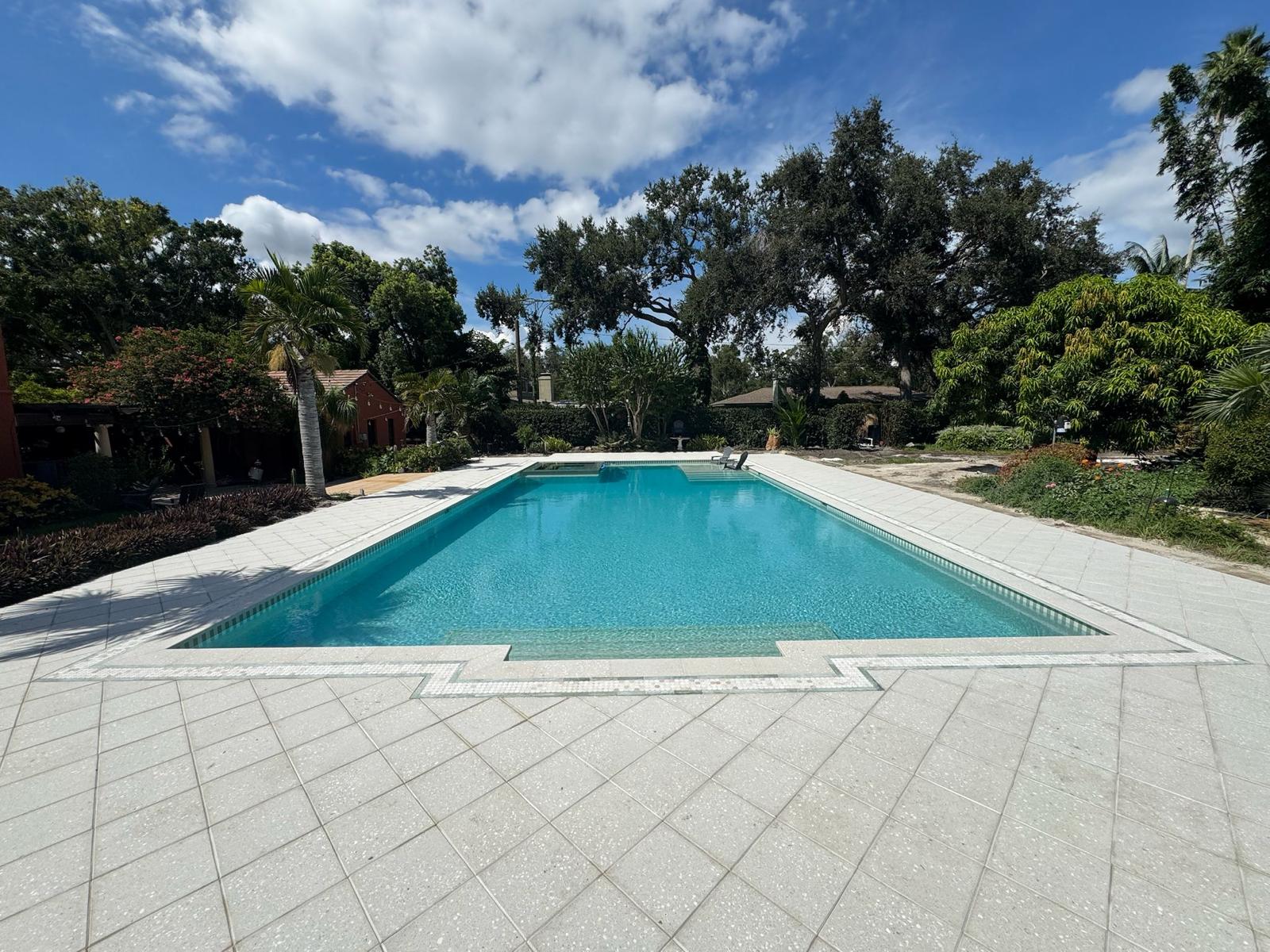
The best plants for pool landscaping in Florida share common characteristics. They maintain visual interest without constant debris cleanup, tolerate heat and humidity, and stay within manageable size parameters. When planning your custom pool design, consider these proven performers.
Palms for Vertical Interest
- Foxtail palms deliver lush tropical presence without aggressive roots or messy fruit drops. Their smooth trunks and self-cleaning fronds make them nearly maintenance-free around pools.
- Pygmy date palms work beautifully for smaller spaces, offering refined texture without overwhelming the area.
- Areca palms create living privacy screens with their clumping growth habit and feathery foliage.
Avoid queen palms and coconut palms near pools. Queen palms drop heavy seed pods constantly, and coconuts pose obvious safety concerns.
Shrubs for Structure and Screening
Podocarpus hedges provide dense, evergreen screening that tolerates salt, shapes easily, and requires minimal cleanup. Their slow, controlled growth reduces pruning frequency compared to faster alternatives. Simpson’s stopper offers similar screening benefits with the bonus of fragrant white flowers and attractive peeling bark.
Loropetalum adds color variation with burgundy or purple foliage that contrasts beautifully against pool water and light-colored decking. Dwarf firebush attracts hummingbirds and butterflies while thriving in full Florida sun without intensive maintenance. Crotons bring bold, tropical color in dozens of foliage patterns, though their occasional leaf drop requires strategic placement away from direct pool zones.
Groundcovers and Low-Growing Options
- Asiatic jasmine creates a durable, low-maintenance groundcover that tolerates foot traffic and works exceptionally well between pavers or as a transition between hardscape and taller plantings.
- Liriope provides grassy texture without true grass maintenance, tolerates shade or sun, and its flower spikes add vertical interest without mess.
- Beach sunflower handles sandy, salt-exposed conditions better than almost any other flowering groundcover, making it ideal for coastal properties.
- Perennial peanut offers a grass alternative that fixes nitrogen and tolerates drought, though it spreads aggressively and needs edging.
Accent Plants for Visual Drama
Bird of paradise creates instant tropical impact with dramatic foliage and striking orange and blue flowers. Bromeliads add color and texture at multiple heights without demanding constant water or fertilizer. Cordyline and dracaena varieties provide spiky, architectural forms in burgundy, green, or variegated patterns while remaining salt-tolerant and pest-resistant.
Agave and yucca species suit more contemporary designs, offering bold shapes with minimal water needs, though their sharp leaf tips require thoughtful placement away from traffic areas.
What to Avoid Near Your Pool
Understanding what doesn’t work matters as much as knowing the best plants for pool landscaping in Florida. Whether you’re planning a pool renovation or new construction, avoiding these problem plants saves headaches down the road.
- Trees with aggressive root systems including ficus, silver maple, willow, and bamboo will eventually damage your pool structure, decking, and underground lines.
- Plants that constantly drop debris like crape myrtle, bottlebrush, and most fruit trees create endless skimming duties. Southern magnolia drops leaves year-round along with large seed cones.
- Heavy bee attractors like massed lantana or pentas immediately adjacent to swimming areas increase sting risks during pool time.
- Thorny or spiny specimens including bougainvillea, Spanish bayonet, and certain holly varieties pose injury risks near where people walk barefoot in swimwear.
Designing for Cohesion and Function
The best pool landscapes balance multiple priorities simultaneously. You want privacy screening without creating dark, enclosed feelings. You need greenery that softens hardscape without requiring constant cleanup. You’re creating visual interest that complements your pool design rather than competing with it.
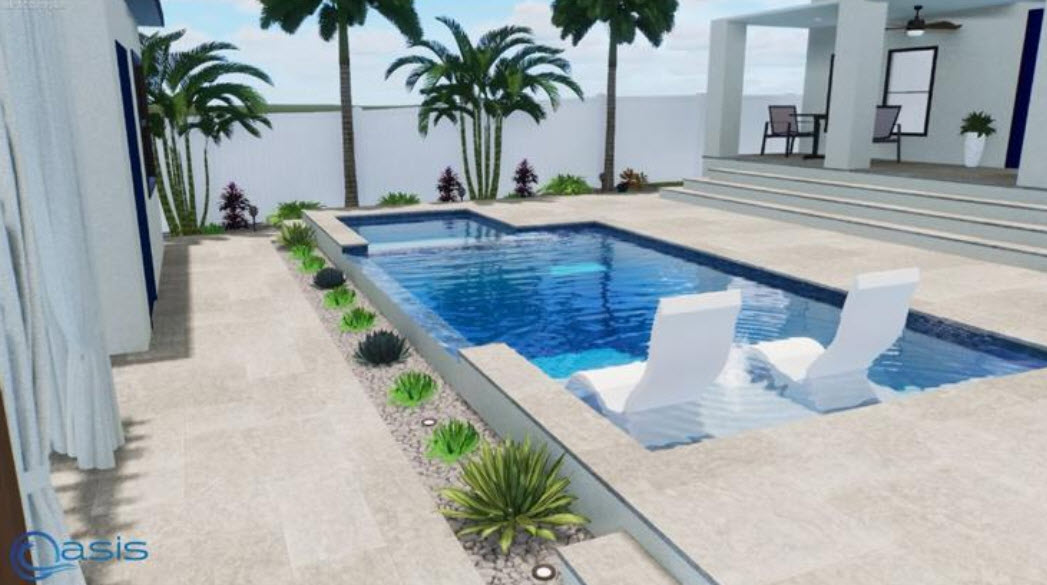
The most effective approach treats pool and landscape as a unified design challenge from the beginning. When plant selection, hardscape materials, pool features, and outdoor living elements are planned together rather than sequentially, the result feels intentional and cohesive. Spacing decisions account for mature plant sizes relative to pool cages, composite roofs, or covered areas. Irrigation zones align with pool equipment placement. Drainage patterns integrate with both landscape beds and deck surfaces.
Work in layers, using taller screening plants at property lines, mid-height shrubs to define spaces and frame views, and lower groundcovers or accent plants near the water’s edge. Consider how plantings will look from multiple vantage points including pool level, deck lounging areas, outdoor kitchens, and covered dining spaces. Factor in lighting placement early so landscape beds accommodate fixtures that highlight both architecture and key plantings after dark.
The transition between pool deck and landscape beds requires particular attention. Groundcovers and low shrubs positioned too close collect blown leaves and require constant cleanup. Plants set too far back create visual gaps that feel unfinished. Strategic placement at appropriate distances creates seamless flow while maintaining practical access for maintenance around both pool and plantings.
Think about sightlines from inside your home. Your pool landscape should look attractive from kitchen windows, lanais, and main living areas throughout the year, not just during active swimming months. In Florida’s year-round growing season, this means selecting plants that maintain consistent visual appeal rather than species that look stunning briefly then decline or require heavy seasonal pruning.
Timing Your Landscape Installation
Fall and winter represent ideal planting windows in Tampa Bay. Cooler temperatures reduce transplant shock, and Florida’s wet season transitions into drier months, allowing root systems to establish before summer stress arrives. Plants installed between October and February require less intensive watering and demonstrate better survival rates than those planted during hot, humid summers.
If you’re planning a new pool installation or major renovation, integrating landscape design from the beginning creates more cohesive results than treating plants as afterthoughts. From The Ground Up Pools works throughout Tampa, St. Petersburg, and Clearwater, using 3D rendering to visualize complete environments before construction begins.
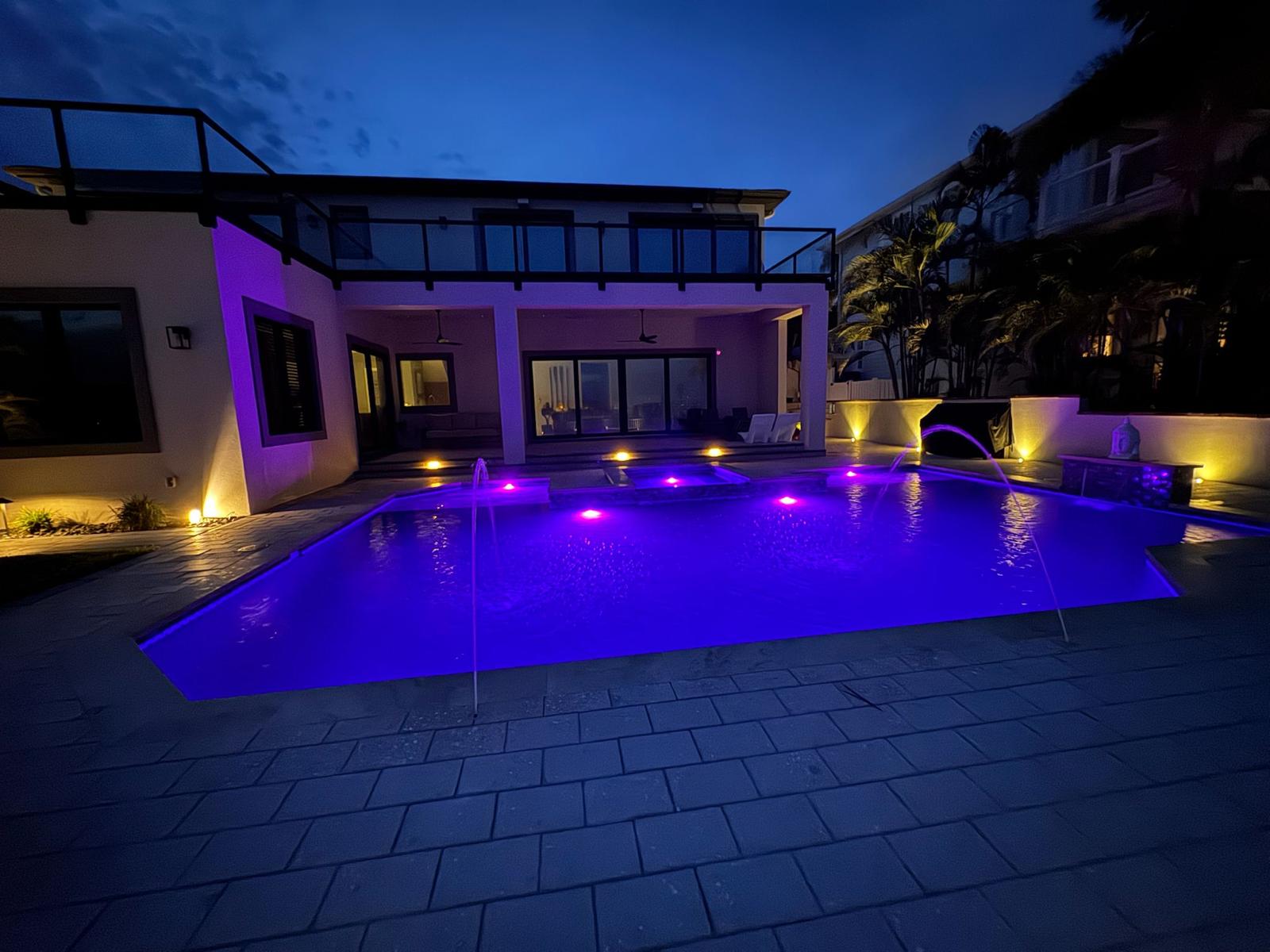
Creating Your Complete Outdoor Environment
Selecting the best plants for pool landscaping in Florida represents just one piece of creating a functional, beautiful backyard retreat. The most successful projects consider how plantings, hardscape, pool features like spa and hot tub additions, and functional spaces work together from the start.
Whether you’re working with a compact space perfect for a plunge pool or designing an expansive outdoor environment, thoughtful plant selection makes the difference between a pool and a true outdoor oasis. Explore completed pool and landscape projects in our gallery to see how integrated design works in real Tampa Bay backyards.
Ready to discuss your vision with a team that understands Florida’s unique design requirements? Contact From The Ground Up Pools at 727-685-3812 or visit ftgupools.com to start the conversation about creating a backyard that works beautifully for decades.
Frequently Asked Questions
What are the best low-maintenance plants for around a pool in Florida?
Focus on salt-tolerant, low-debris species like foxtail palms, podocarpus hedges, asiatic jasmine groundcover, and bird of paradise. These plants thrive in Florida’s climate without dropping excessive leaves or flowers into your pool. When planning your custom pool design, selecting the right plants from the start reduces long-term maintenance demands.
What plants should you avoid planting near a swimming pool?
Avoid trees with aggressive roots (ficus, bamboo, willow), plants that constantly drop debris (crape myrtle, bottlebrush, southern magnolia), and thorny specimens like bougainvillea. These create maintenance issues or safety concerns around pool areas. Whether you’re planning a new pool installation or pool renovation, steering clear of these problem plants saves headaches.
When is the best time to install pool landscaping in Tampa Bay?
Fall and winter (October through February) are ideal for installing pool landscaping in Tampa Bay. Cooler temperatures reduce transplant shock, and plants establish stronger root systems before summer heat arrives. This timing aligns perfectly with off-season pool construction schedules across St. Petersburg, Tampa, and Clearwater.
Do I need special plants for saltwater pools in Florida?
Yes, saltwater pools require salt-tolerant plants that can handle spray and splashing. Good choices include foxtail palms, areca palms, beach sunflower, cordyline, and podocarpus – all proven performers in coastal Florida conditions. Properties near the Gulf or Tampa Bay benefit especially from these resilient selections.
How do I design pool landscaping that looks good year-round?
Layer plants strategically – tall screening at property lines, mid-height shrubs for definition, and low groundcovers near water’s edge. Choose species with consistent visual appeal rather than those that look good briefly then decline. The most effective approach treats pool and landscape as unified design elements from the beginning, considering sightlines from indoor living spaces and integrating lighting, irrigation, and maintenance access during initial planning.